Jelly Bubbles Font: Playful Display for Editorial Design
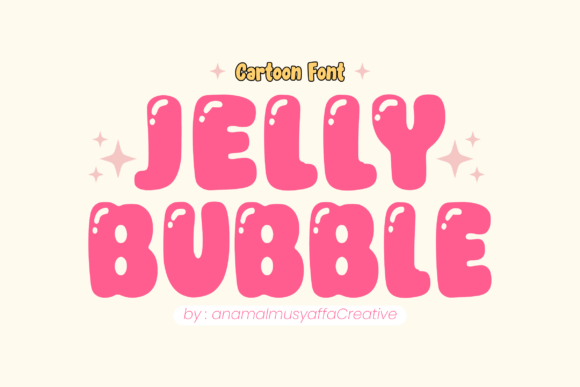
Choosing the right font for a blog header can feel like selecting the perfect accessory for a special occasion. It needs to catch attention, reflect the tone of the content, and fit seamlessly into the overall design. When I was redesigning a lifestyle blog’s masthead, I found myself drawn to Jelly Bubbles—a playful and contemporary Bubble font that exudes charm without overwhelming the page. Its soft curves and whimsical structure make it ideal for editorial projects that want to balance fun with sophistication.
Jelly Bubbles for Blog Headers and Magazine Covers
Jelly Bubbles is a premium font that shines when used as a display font for headlines, headers, and cover text. Its rounded shapes and gentle slopes give it a friendly, approachable vibe, making it perfect for blogs focused on wellness, creativity, or lifestyle topics. Whether it's a magazine cover for a seasonal issue or a blog header for a new series, Jelly Bubbles adds visual interest while maintaining clarity.
When paired with a clean sans serif font for subheaders or body text, Jelly Bubbles becomes a strong anchor for the design. The contrast between its decorative style and more neutral typefaces creates a balanced hierarchy, ensuring that the main message remains legible even in a busy layout.
Using Jelly Bubbles in Newsletter Graphics and Social Media
For newsletter designers, Jelly Bubbles offers a refreshing alternative to standard fonts. It works well in pull quotes, section dividers, or highlight boxes where a touch of personality is needed. In a recent project, I used it to emphasize key takeaways in a coaching workbook, and the result was both engaging and visually cohesive.
On social media, where visuals need to stand out quickly, Jelly Bubbles can be an effective tool for creating eye-catching graphics. Its bubbly aesthetic pairs well with illustrations, patterns, or minimalist backgrounds, making it a versatile choice for digital content creators.
Jelly Bubbles for Recipe Ebooks and Printable Guides
Recipe ebooks and printable guides often require a font that feels inviting yet readable. Jelly Bubbles strikes that balance, offering a playful edge that suits food-related content. When I tested it in a recipe ebook, it worked best as a title font, adding a sense of warmth and charm to each chapter opener.
However, it’s important to note that Jelly Bubbles may not be ideal for long blocks of text. Its expressive nature makes it less suitable for body copy, especially in smaller sizes or dense paragraphs. For these cases, pairing it with a more traditional serif or sans serif font ensures readability without sacrificing style.
Jelly Bubbles in Wedding Guides and Branding Materials
Wedding guides and branding materials often benefit from a font that feels elegant yet approachable. Jelly Bubbles fits this need perfectly, offering a modern twist on classic bubble lettering. It’s particularly effective in invitations, signage, or digital brochures where a touch of whimsy is desired.
In a recent wedding guide project, I used Jelly Bubbles for section headings and captions, allowing it to complement the overall design without overpowering the content. The font’s softness helped maintain a cohesive and romantic mood throughout the publication.
Jelly Bubbles for Editorial Layouts and Content Branding
Editorial layouts, whether for digital magazines or print publications, rely heavily on typography to establish tone and identity. Jelly Bubbles can serve as a signature font for a brand or a specific section within a larger publication. Its unique character makes it ideal for content branding, helping to differentiate a publication from others in the same niche.
When used in editorial layouts, Jelly Bubbles should be reserved for key elements such as article titles, section headers, or decorative accents. Overuse can dilute its impact, so it’s best to apply it strategically to maintain visual consistency and readability.
Practical Considerations for Using Jelly Bubbles
Before integrating Jelly Bubbles into any project, it’s essential to check the font’s available styles, alternates, and ligatures. These features can enhance the design by providing variations that suit different contexts. Additionally, ensuring multilingual support and proper licensing is crucial for commercial use, especially in ebooks, templates, or client projects.
For print materials, testing the font at various sizes is recommended to ensure it remains legible. On screens, it performs well at larger sizes but may appear too soft for small captions or mobile layouts. Always consider the final output format when choosing a font like Jelly Bubbles.
Jelly Bubbles for Creative Projects and Digital Downloads
Creative projects such as printable planners, worksheets, or course PDFs often benefit from a font that adds visual appeal without complicating the layout. Jelly Bubbles is an excellent choice for these types of content, offering a fresh and engaging look that aligns with modern design trends.
For downloadable content, using Jelly Bubbles as a title font or header element can elevate the overall presentation, making the product more appealing to users. Pairing it with a clean, readable font for instructions or content ensures that the design remains functional and professional.